Lovers Hill, Fethiye
Lovers Hill in Fethiye offers breathtaking panoramic views of the coas..


Discover Fethiye with us and unlock the secrets of this stunning Mediterranean paradise. Imagine waking up to the gentle warmth of the Turkish sun, ready to embark on an unforgettable journey through turquoise waters and ancient landscapes. This isnt just a tour; its an immersion into the heart of Fethiyes vibrant soul.
Our Discover Fethiye excursion begins right here in Fethiye, the perfect starting point for exploring the regions diverse beauty. Well set sail, leaving the bustling harbor behind and venturing towards hidden coves and breathtaking bays. The scent of pine trees mingles with the salty sea air, creating an intoxicating aroma that embodies the Mediterranean spirit.
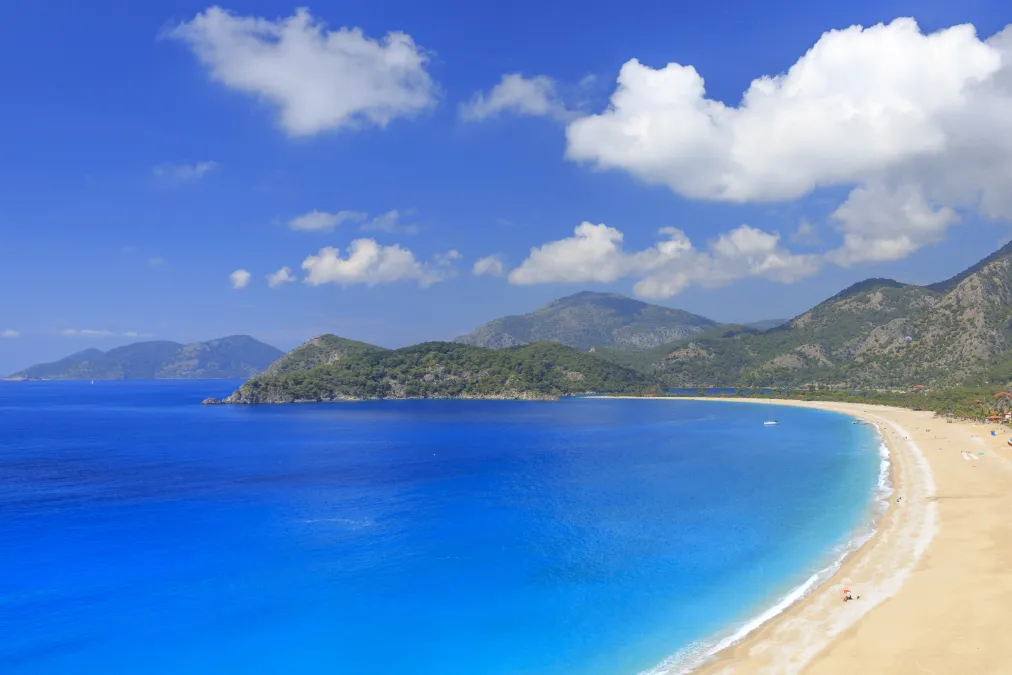
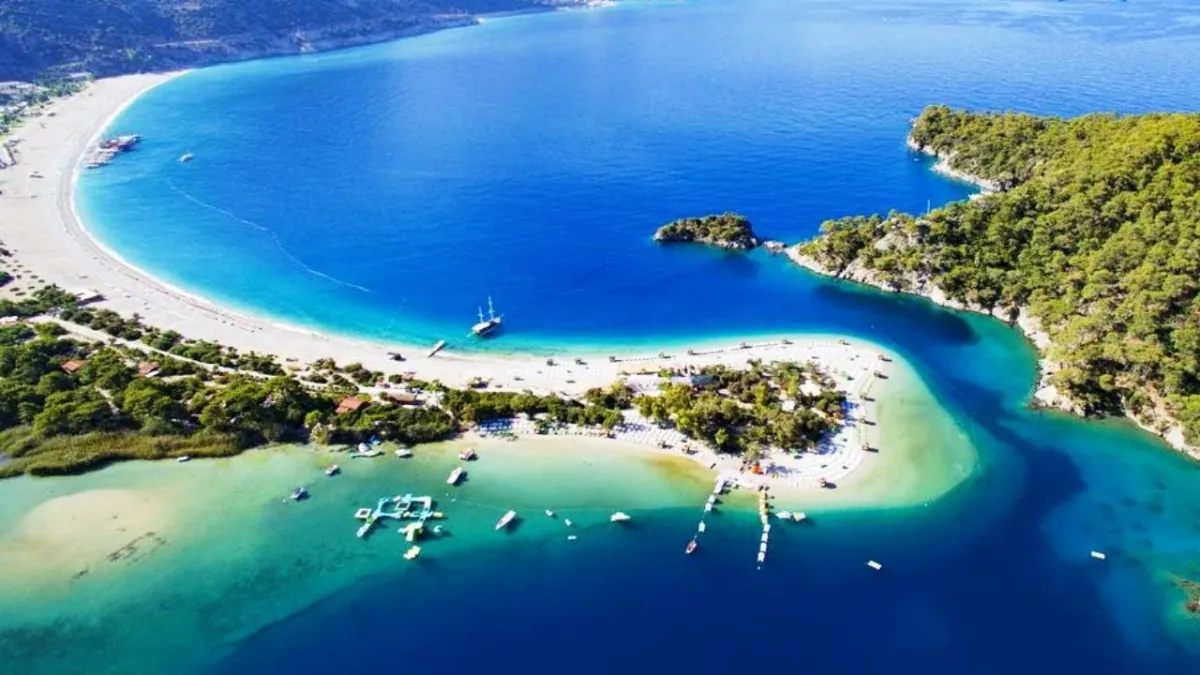
Prepare to be mesmerized by the otherworldly beauty of Ölüdeniz, home to the iconic Blue Lagoon. Its tranquil, are perfect for a refreshing swim, and the surrounding pine-clad mountains provide a dramatic backdrop. Youll have ample time to soak up the sun, swim in the azure waters, or simply relax and take in the stunning scenery.
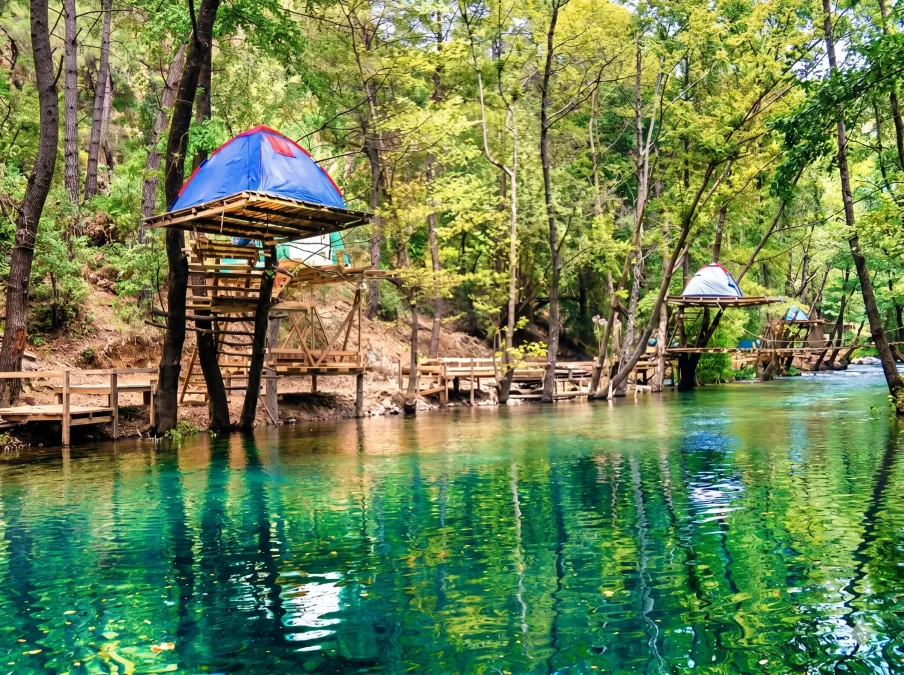
Next, well cruise towards Butterfly Valley, a secluded canyon renowned for its incredible biodiversity. This enchanting valley is home to countless butterfly species, creating a kaleidoscope of color amidst lush greenery. A short hike through the valley reveals hidden waterfalls and tranquil pools, offering a welcome respite from the midday sun.
After exploring Butterfly Valley, well set course for another – St. Nicholas Island, also known as Gemiler Island. This historical island is steeped in history and offers a fascinating glimpse into the regions past. Explore the ruins of Byzantine churches and imagine life on this once-thriving island.
Lunch will be served onboard, featuring a delicious selection of fresh, local cuisine. Savor the flavors of the Mediterranean as you enjoy grilled fish, mezes, and salads, all prepared with the freshest ingredients. Enjoy your meal while surrounded by the breathtaking beauty of the Fethiye coastline.
As we sail through the turquoise waters, keep an eye out for dolphins and sea turtles. These magnificent creatures often grace us with their presence, adding to the magic of the day. Our experienced crew will share their knowledge of the local marine life and ensure your comfort throughout the excursion.
Well make several swimming stops throughout the day, allowing you to cool off in the refreshing waters of the Mediterranean. Each stop offers a unique perspective of the coastline, from secluded coves to dramatic cliffs. Grab your snorkel and mask and explore the underwater world, teeming with colorful fish and marine life.
The Discover Fethiye excursion is more than just a boat trip; its an opportunity to connect with nature, history, and the local culture. Youll experience the authentic side of Fethiye, away from the crowds and tourist traps. Create memories that will last a lifetime as you explore this stunning region.
The pace is relaxed, allowing you to fully immerse yourself in the beauty of your surroundings. Theres no rush, no pressure, just pure relaxation and enjoyment. This is your chance to escape the everyday and discover the magic of Fethiye.
Our friendly crew is dedicated to providing you with an exceptional experience. They are passionate about Fethiye and eager to share their knowledge and love for this beautiful region. Feel free to ask them questions, learn about the local culture, and discover s along the way.
As the sun begins to set, well slowly make our way back to Fethiye harbor, filled with . The sky will be ablaze with color, painting a breathtaking scene that youll cherish forever. The warm Mediterranean breeze will gently caress your skin as you reflect on the days adventures.
This excursion is perfect for families, couples, and solo travelers alike. Whether youre seeking adventure, relaxation, or cultural immersion, the Discover Fethiye excursion has something to offer everyone. Come and experience the magic of Fethiye with us.
Fethiye offers a unique blend of natural beauty, historical significance, and vibrant culture. This excursion allows you to experience the best of all worlds, creating a truly unforgettable holiday experience. From the turquoise waters of Ölüdeniz to the ancient ruins of St. Nicholas Island, every moment is filled with wonder and discovery.
With FethiyeLovers, you are in safe hands. We ensure every aspect of your trip is taken care of.
Our commitment to responsible tourism means that we strive to minimize our impact on the environment and support local communities. We believe in preserving the natural beauty of Fethiye for future generations to enjoy. We want you to have a great time and also contribute to sustainable tourism.
So, what are you waiting for? Book your Discover Fethiye excursion today and embark on an unforgettable adventure. Let us show you the s of this stunning region and create memories that will last a lifetime. The beauty of Fethiye awaits!
Remember to bring your swimsuit, sunscreen, hat, and sunglasses. A camera is also essential to capture the stunning scenery and unforgettable moments. Comfortable shoes are recommended for exploring Butterfly Valley and St. Nicholas Island.
We look forward to welcoming you aboard and sharing the magic of Fethiye with you. Get ready to discover the beauty, history, and culture of this Mediterranean paradise. Your adventure awaits!
The memories you create on this excursion will stay with you long after you return home. The stunning landscapes, the refreshing waters, the delicious food, and the warm hospitality will leave you feeling refreshed, rejuvenated, and inspired. Fethiye is waiting to be discovered.
Dont miss out on this incredible opportunity to explore the heart of Fethiye. Book your Discover Fethiye excursion today and prepare for an adventure of a lifetime. The turquoise waters are calling!
FethiyeLovers are passionate about providing authentic and unforgettable travel experiences. Join us on this incredible journey and discover the magic of Fethiye for yourself.
 Categories
Latest Blogs
Places
Categories
Latest Blogs
Places 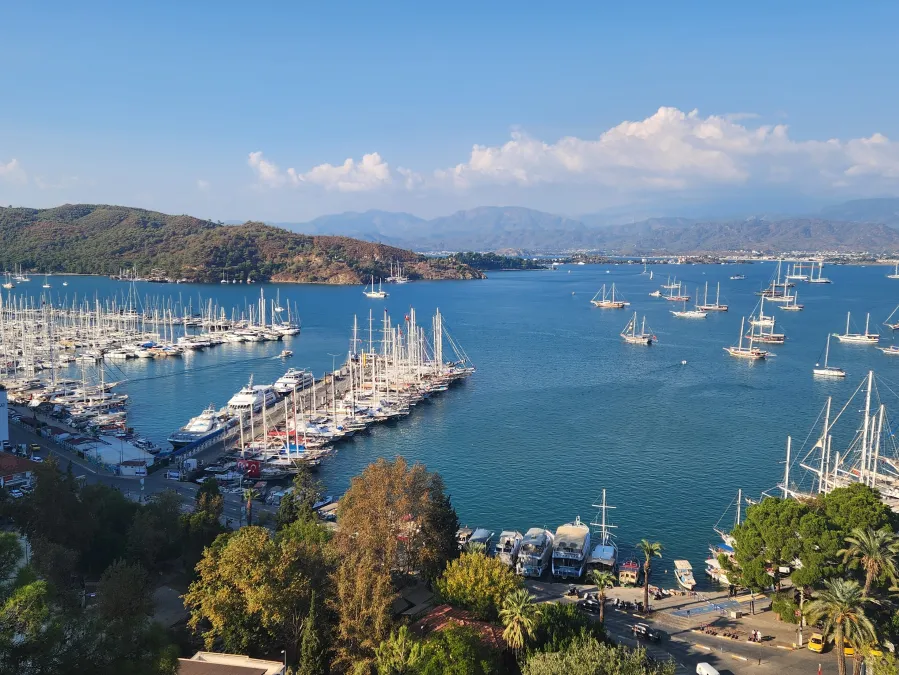
Lovers Hill in Fethiye offers breathtaking panoramic views of the coas..
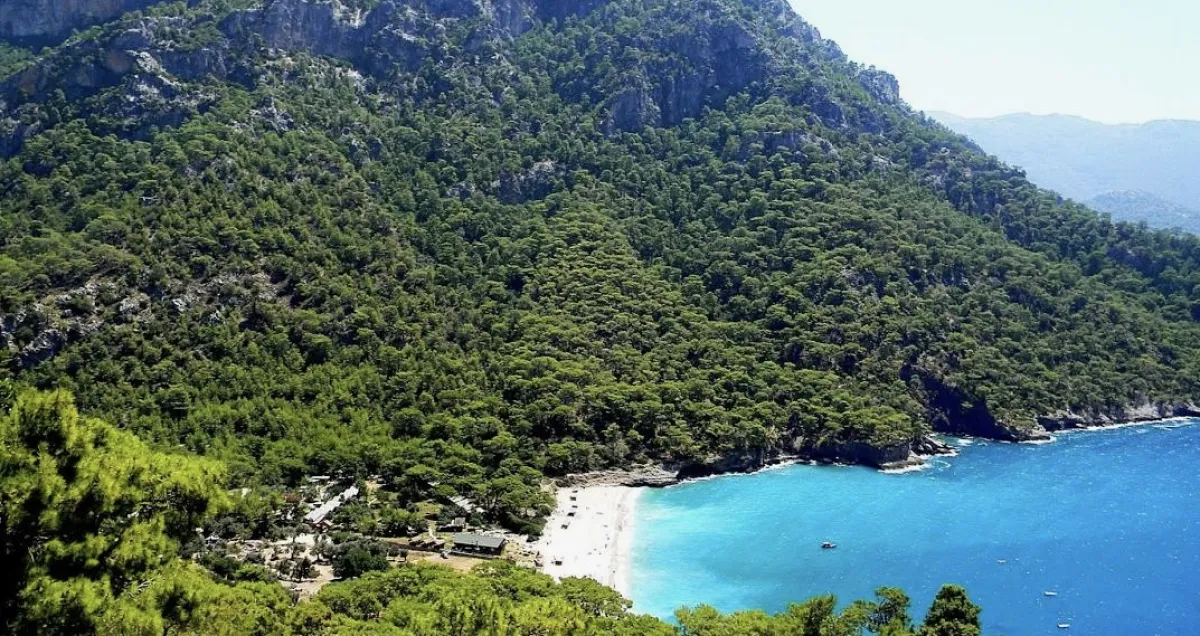
Kabak Valley, near Fethiye, offers an escape to tranquility. This secl..
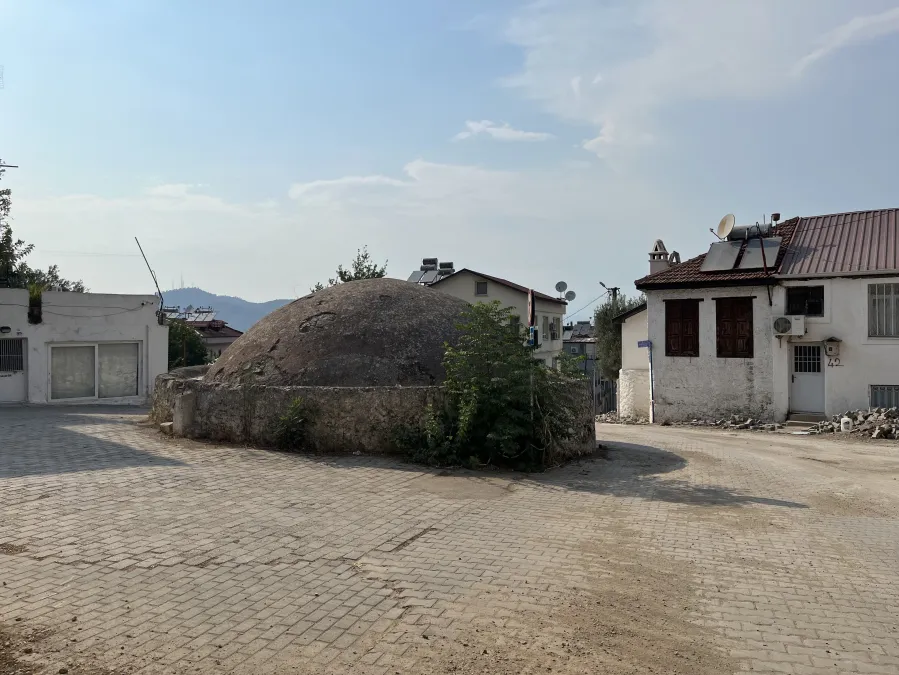
Explore Fethiyes Historical Cistern, a fascinating glimpse into the pa..
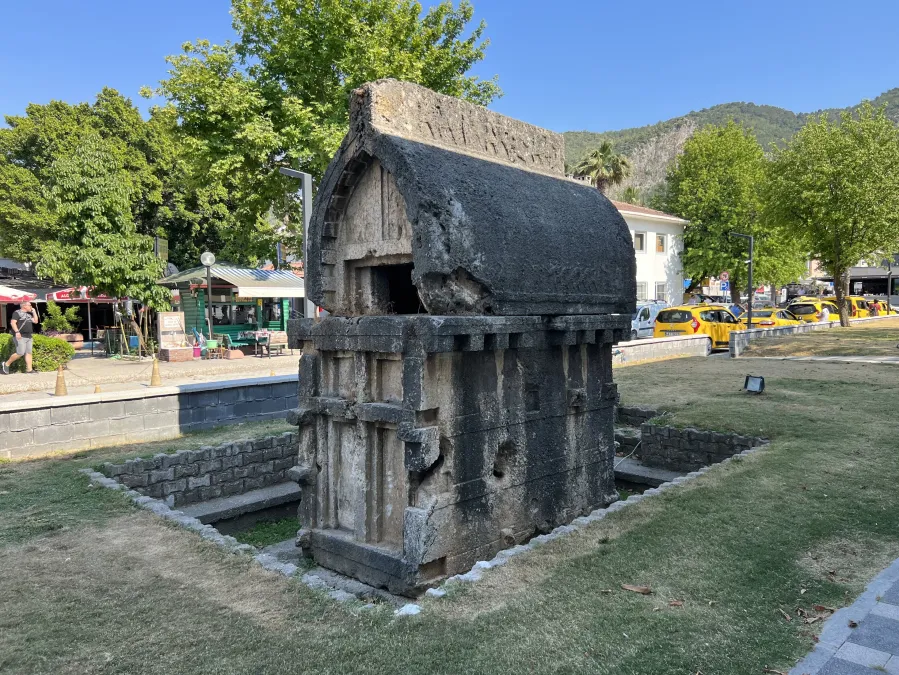
Discover the ancient Lycian Sarcophagus in Fethiye! This remarkable st..
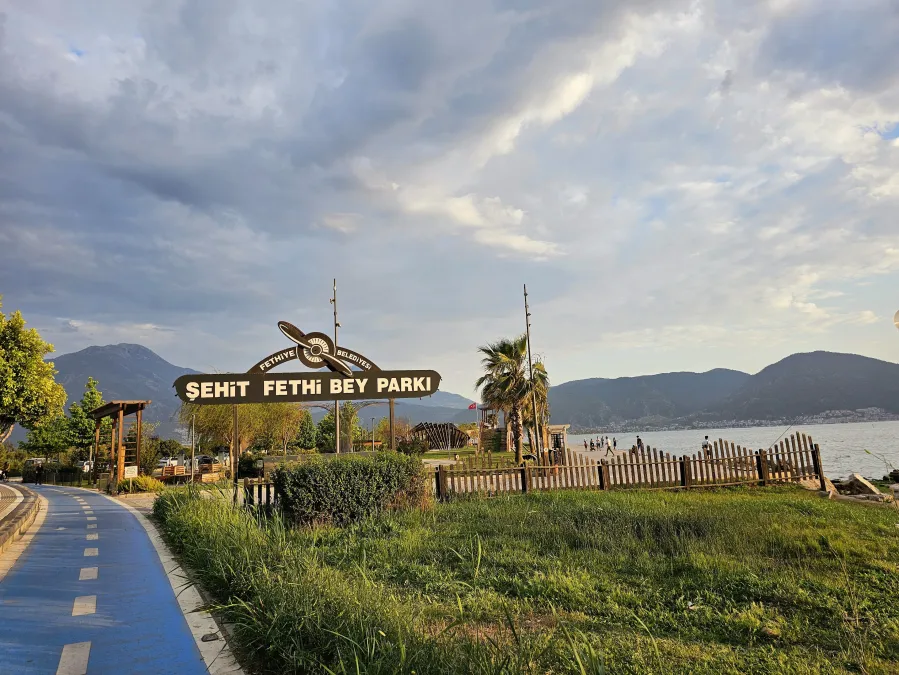
Şehit Fethi Bey Park in Fethiye offers a delightful escape. This green..
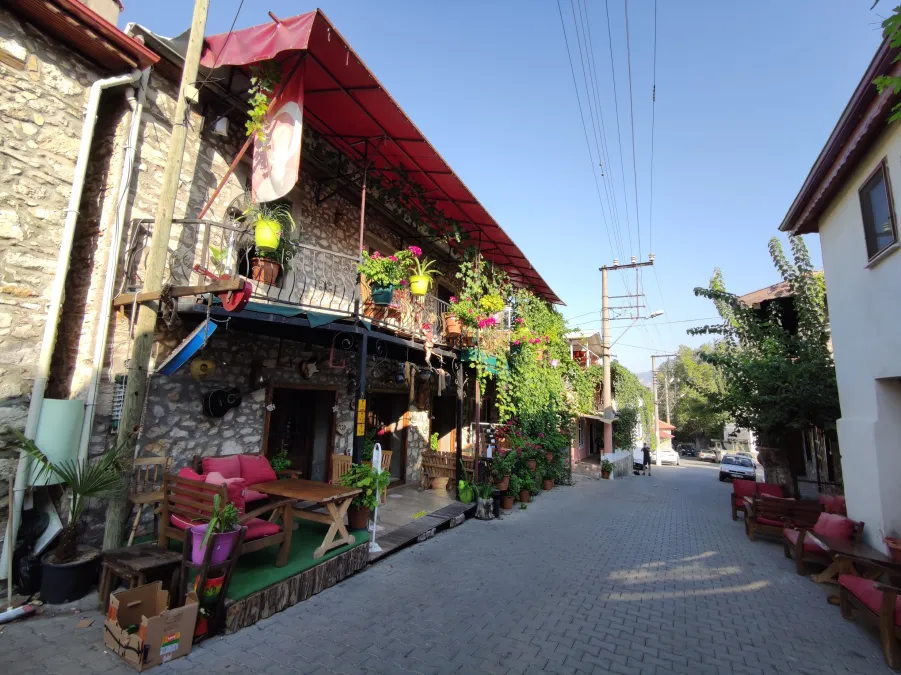
Escape the bustle of Fethiye with FethiyeLovers Yeşilüzümlü excursion! Immerse yourself in the authentic village life of Yeşilüzümlü, a charming haven renowned for its tranquility and traditional ways. Experience the warmth of loc..